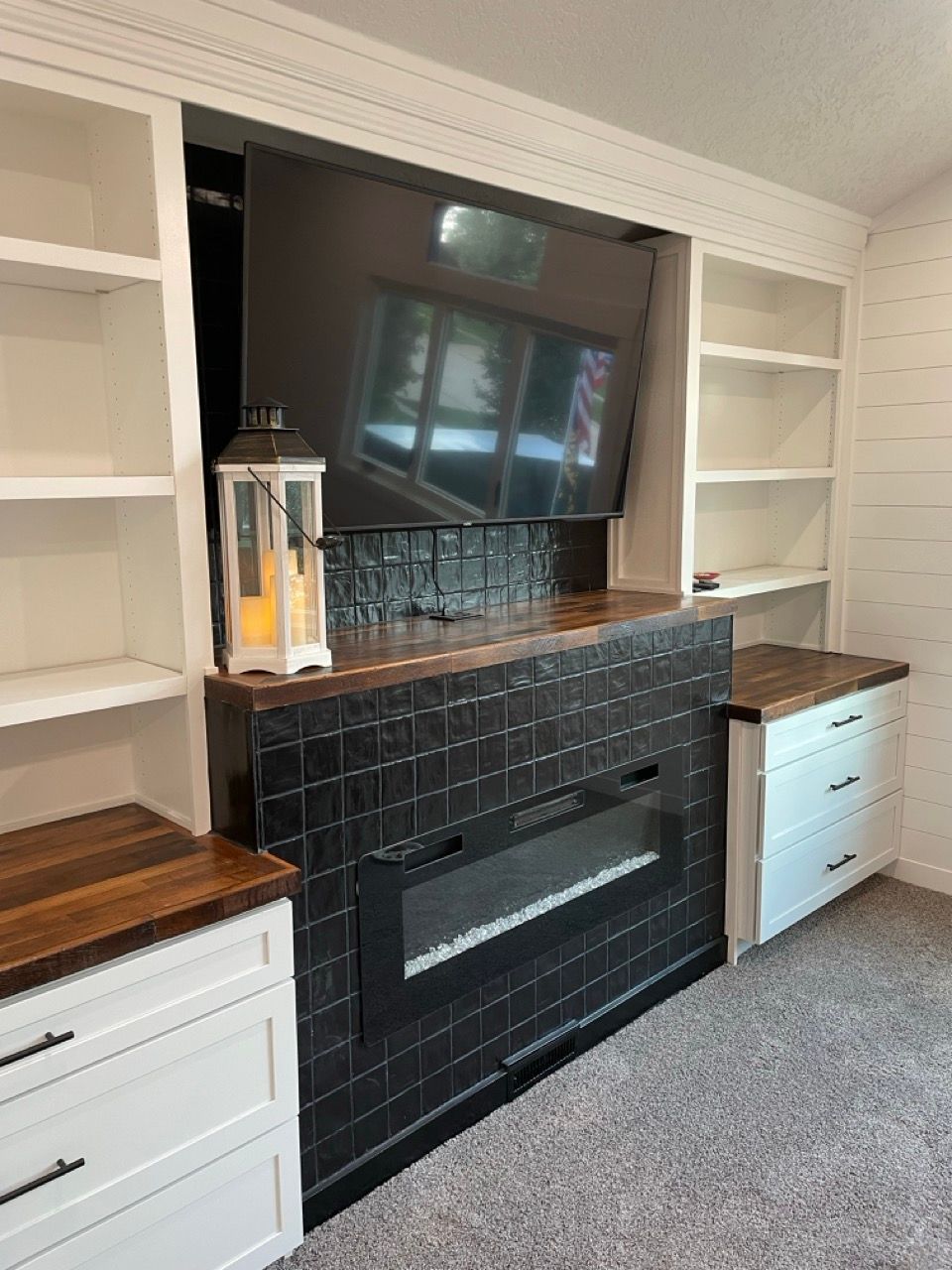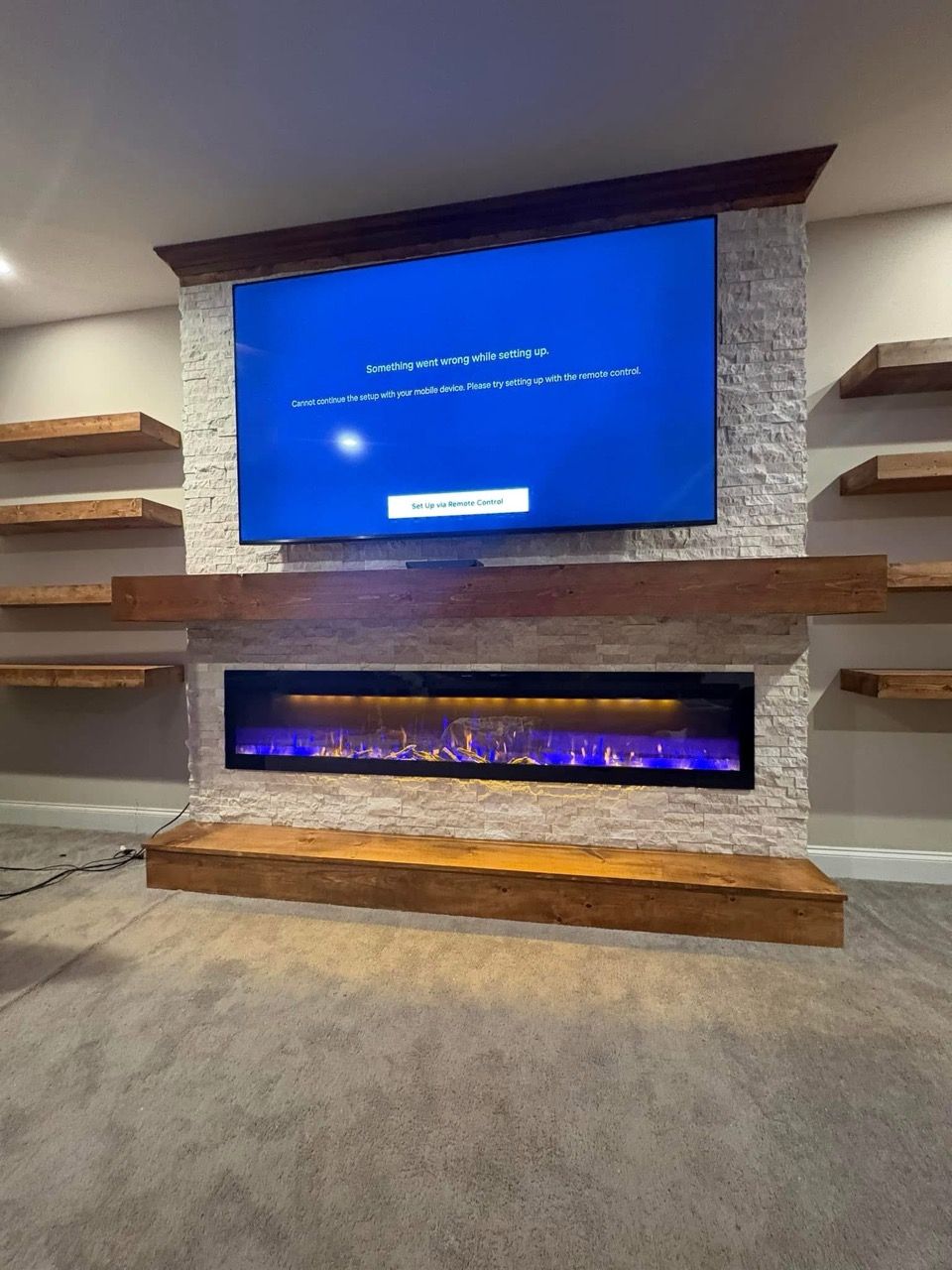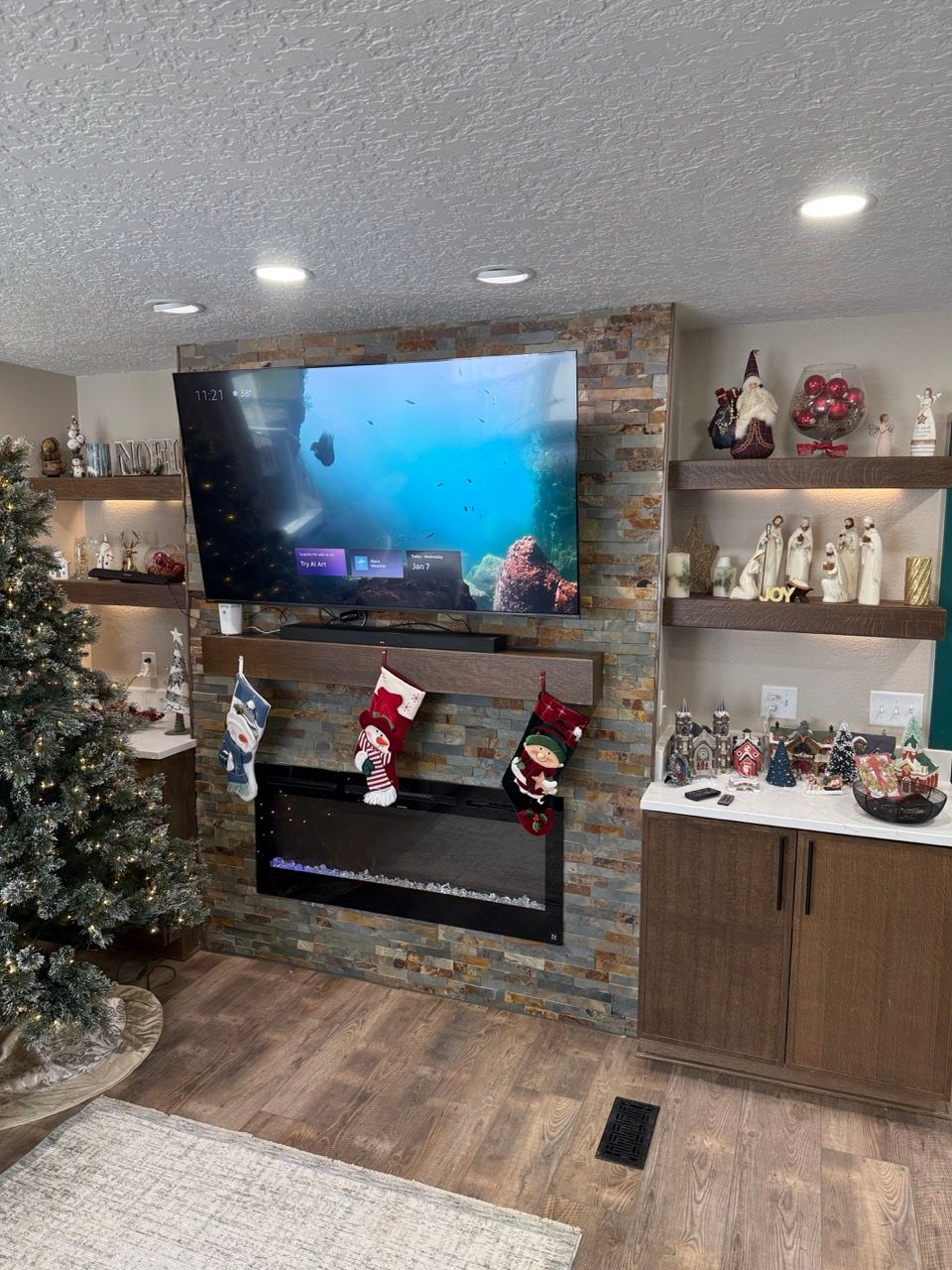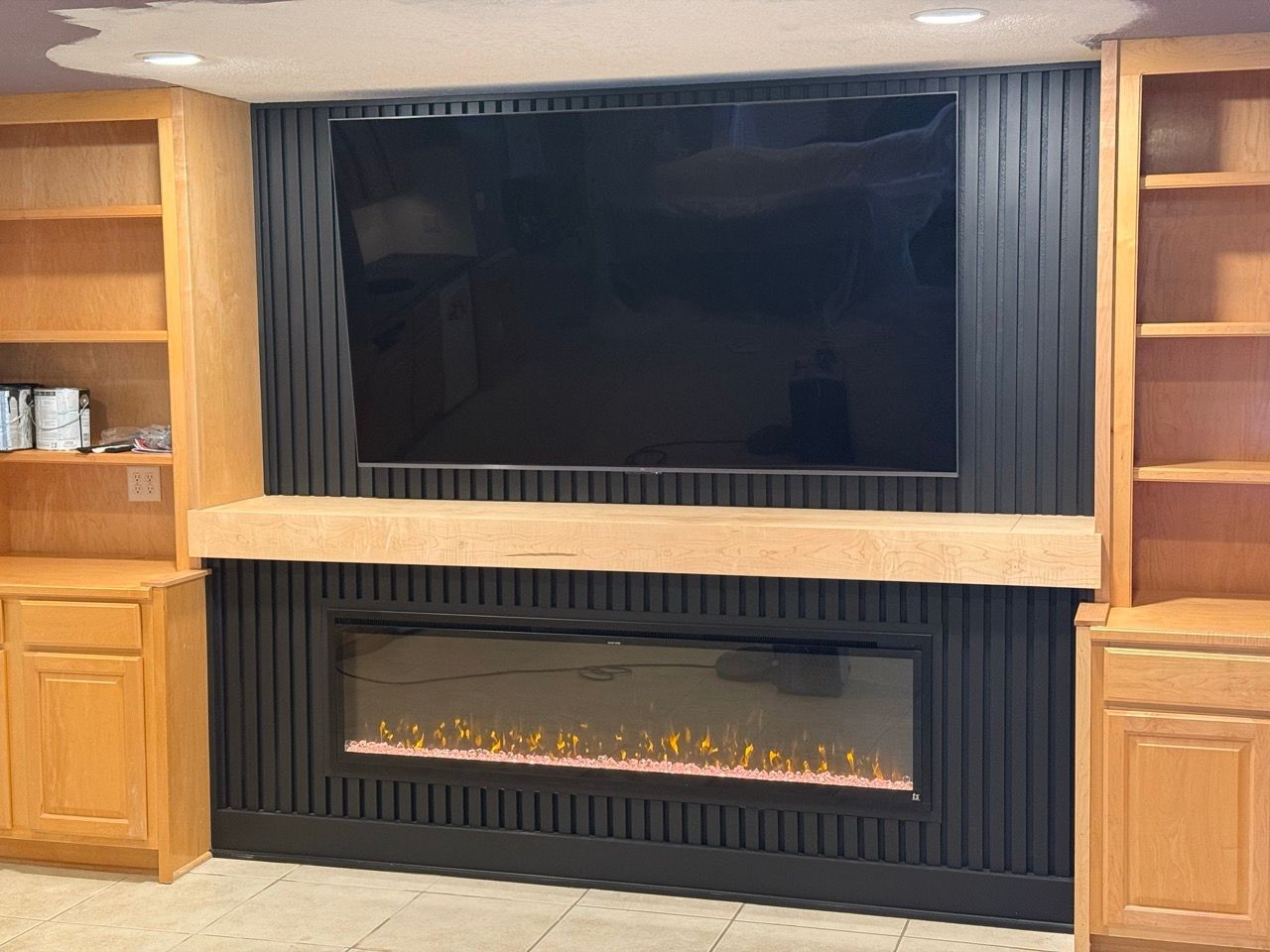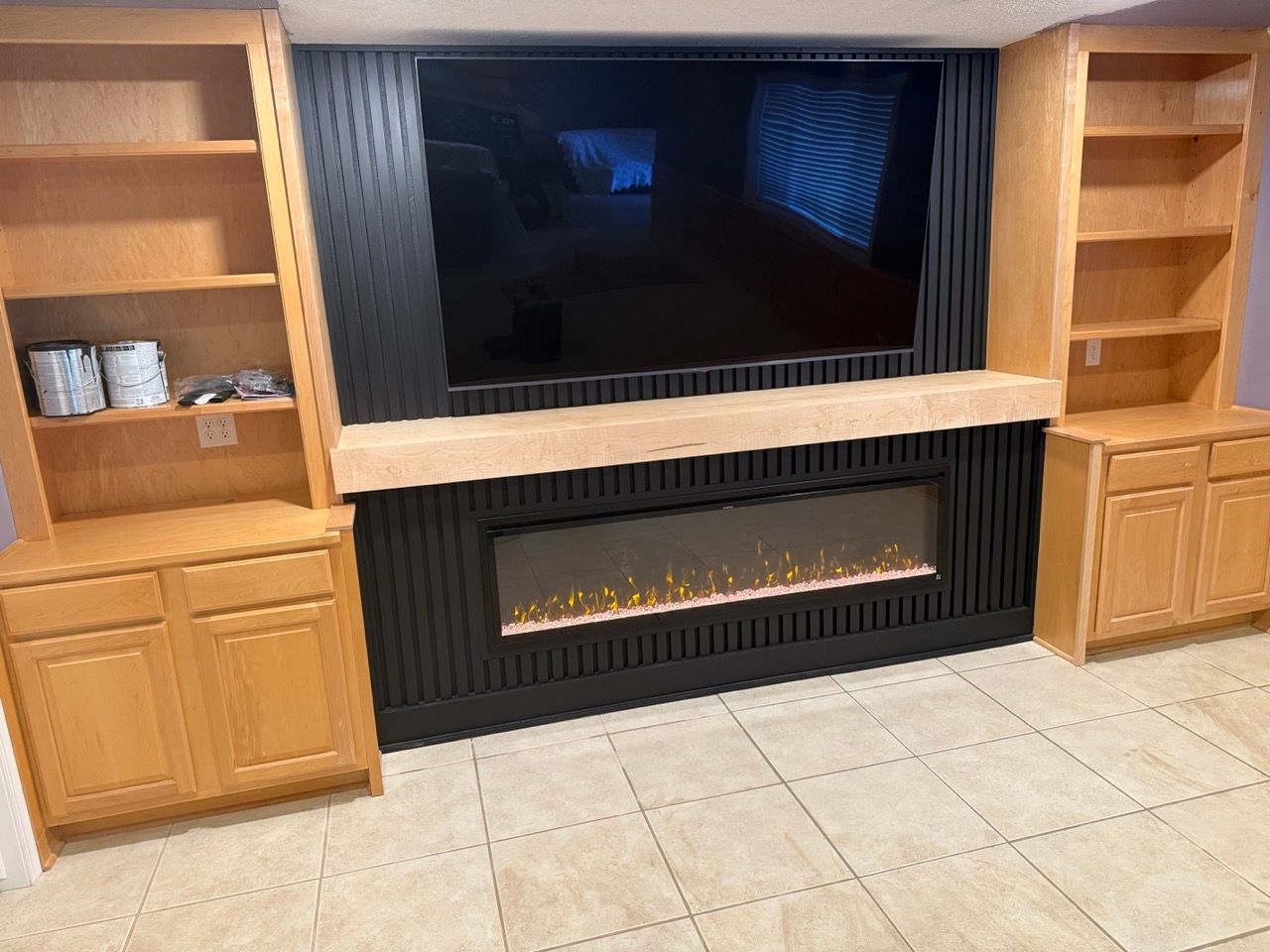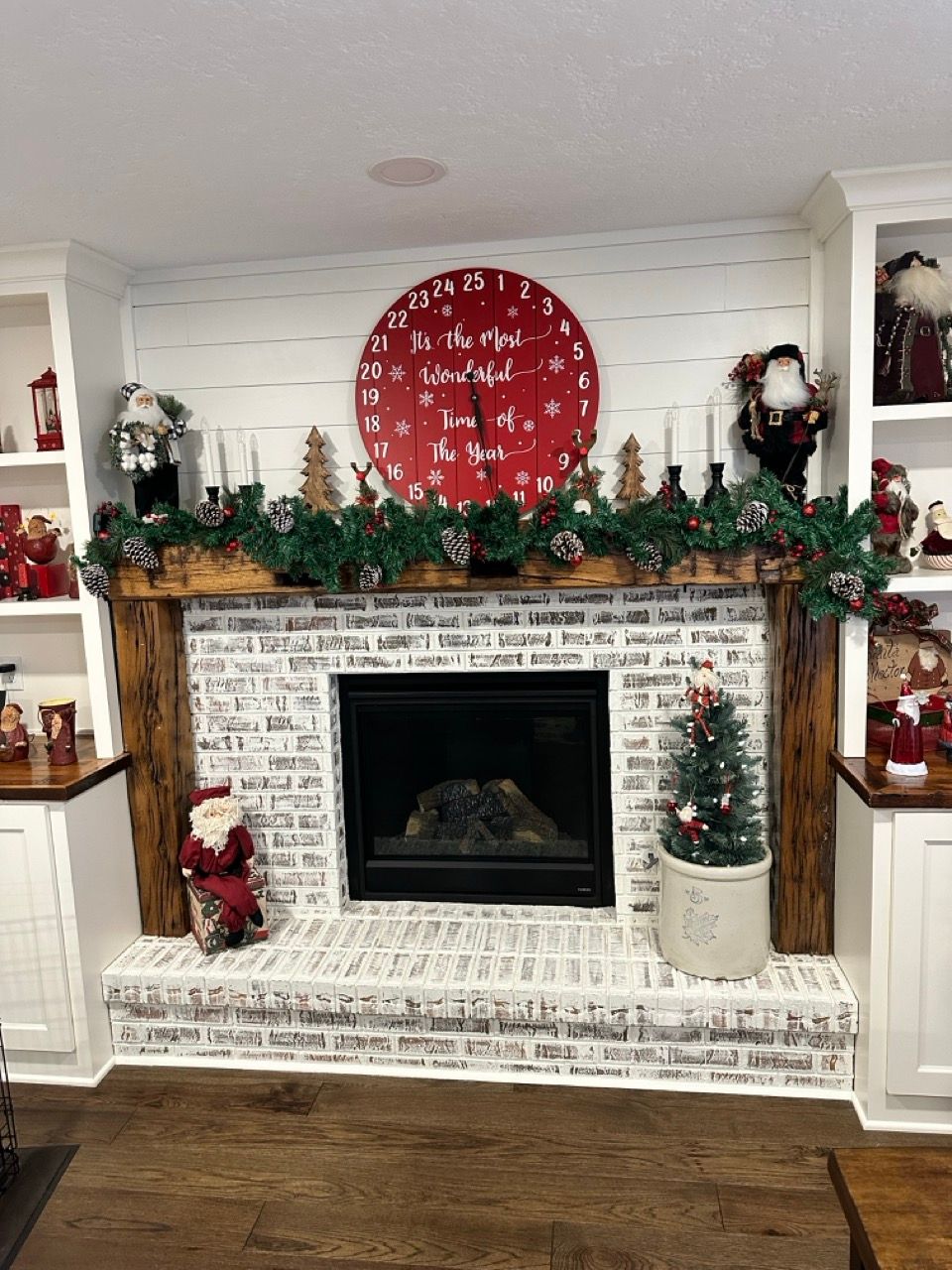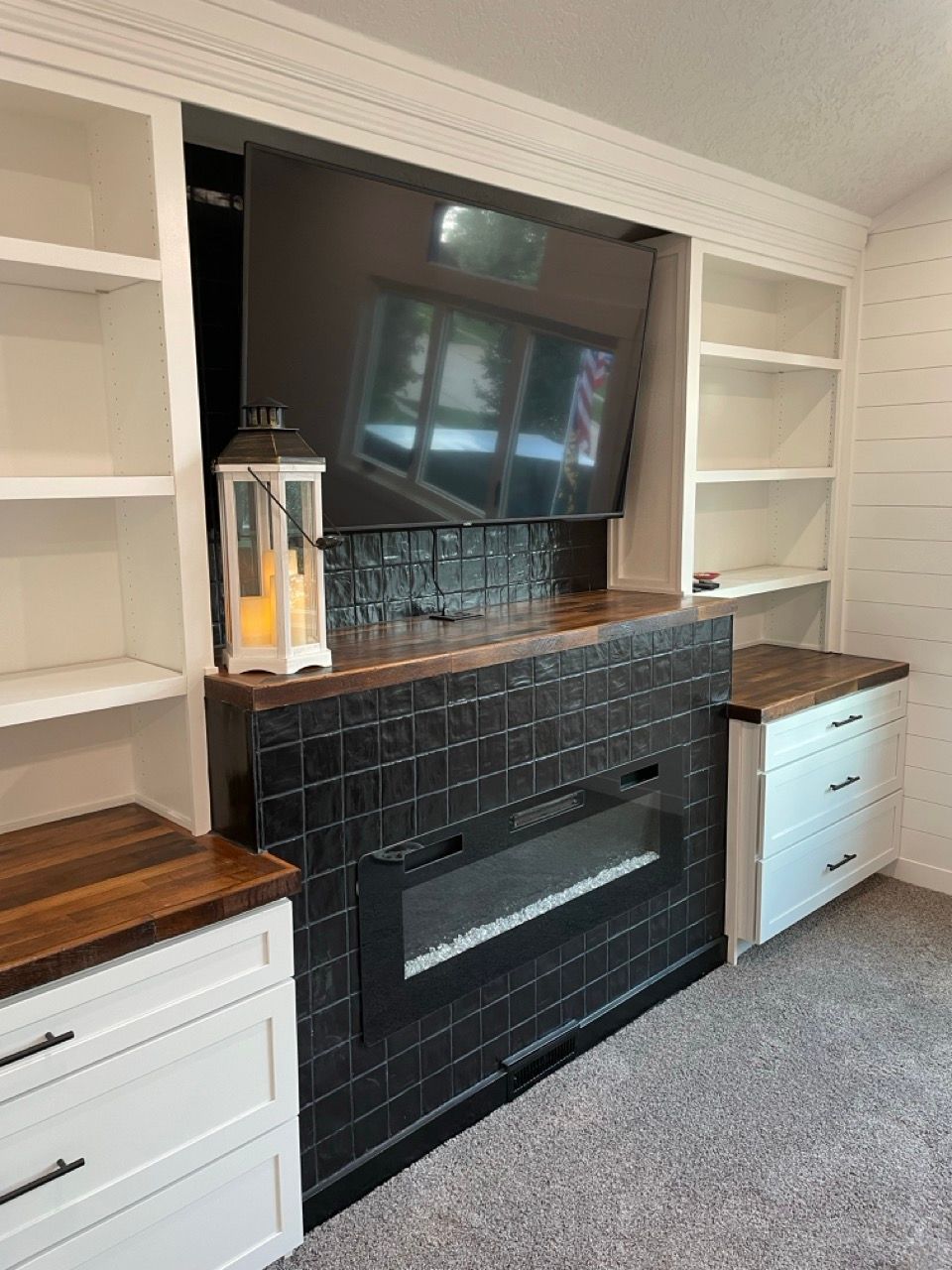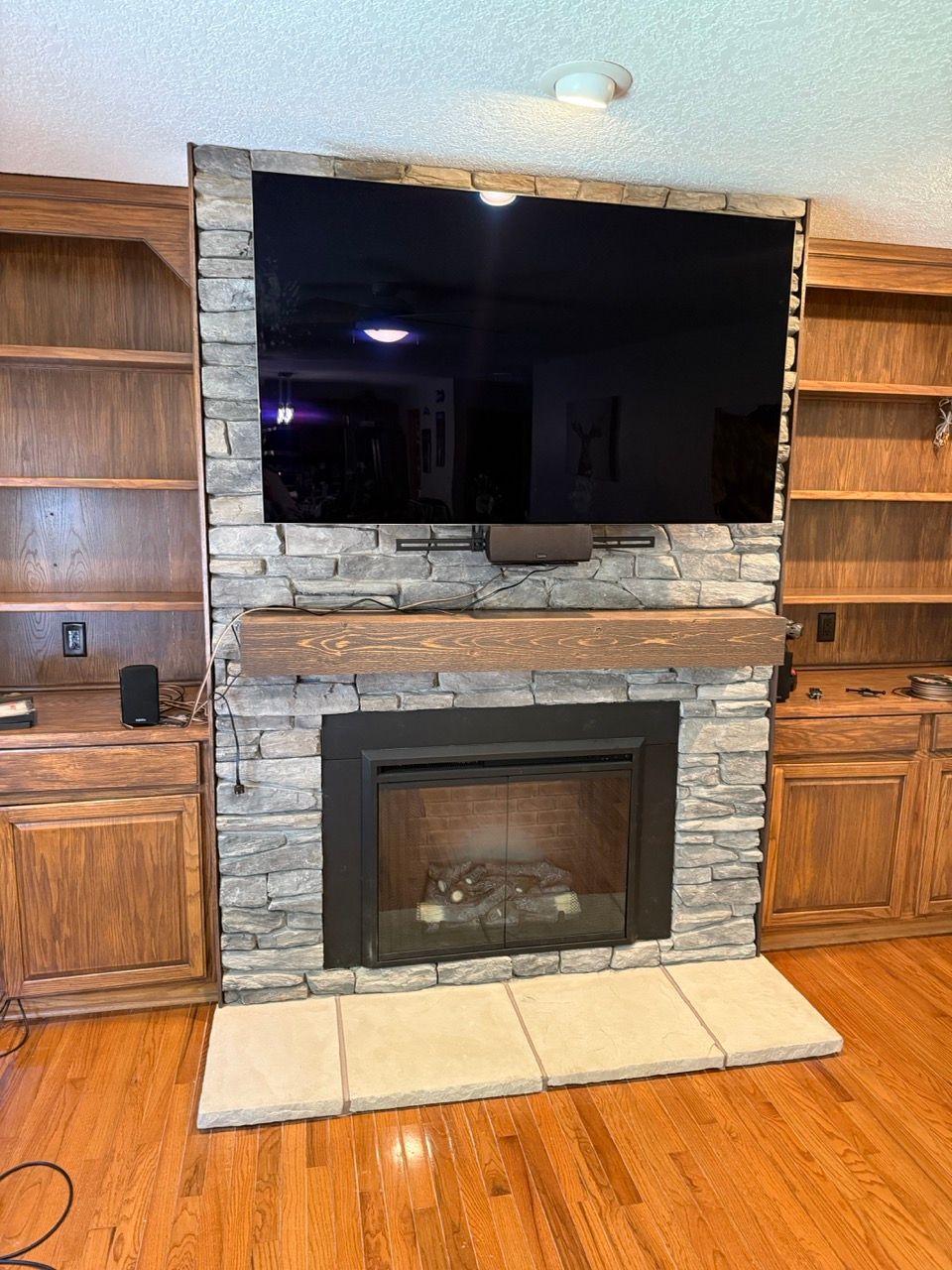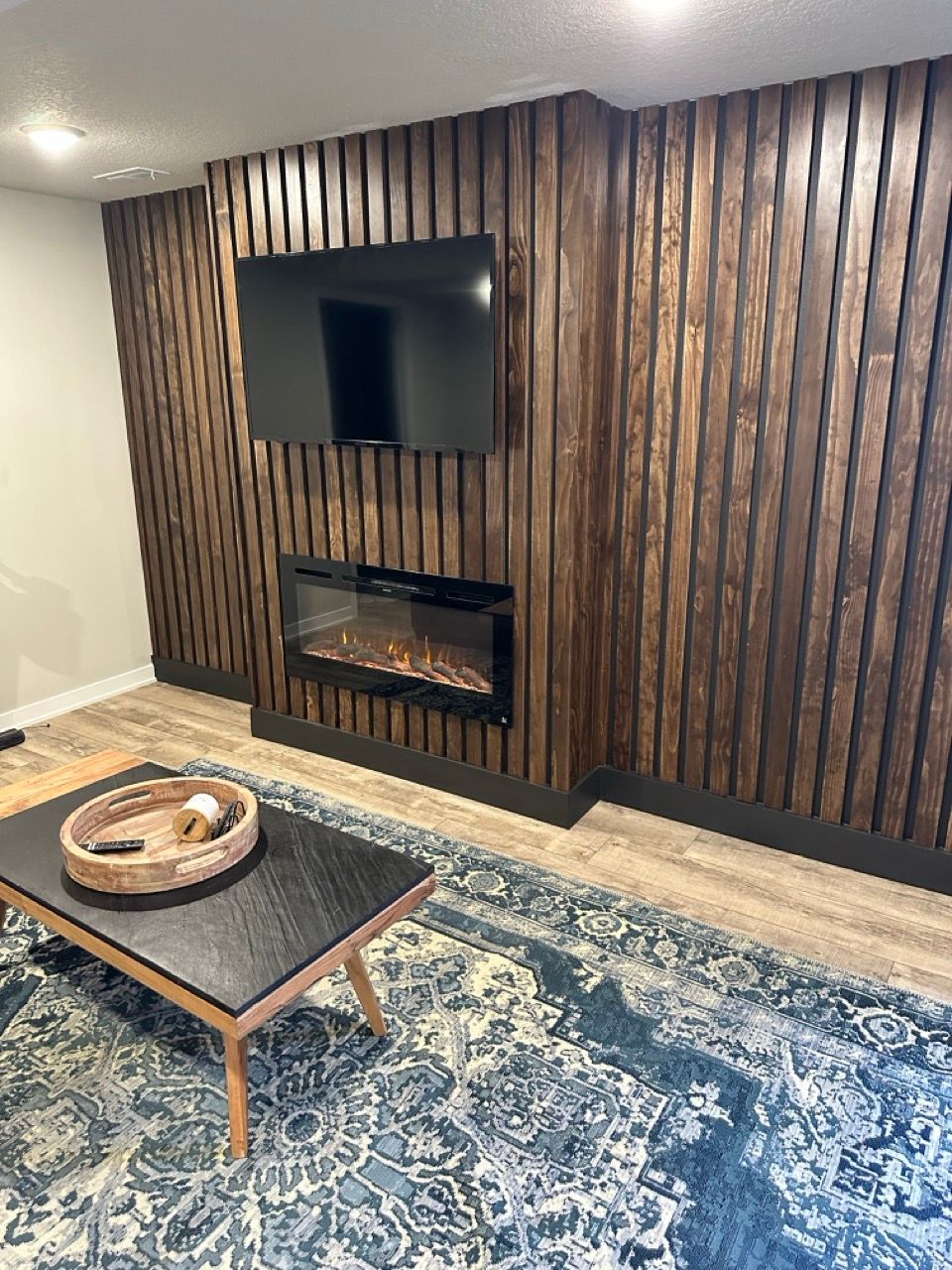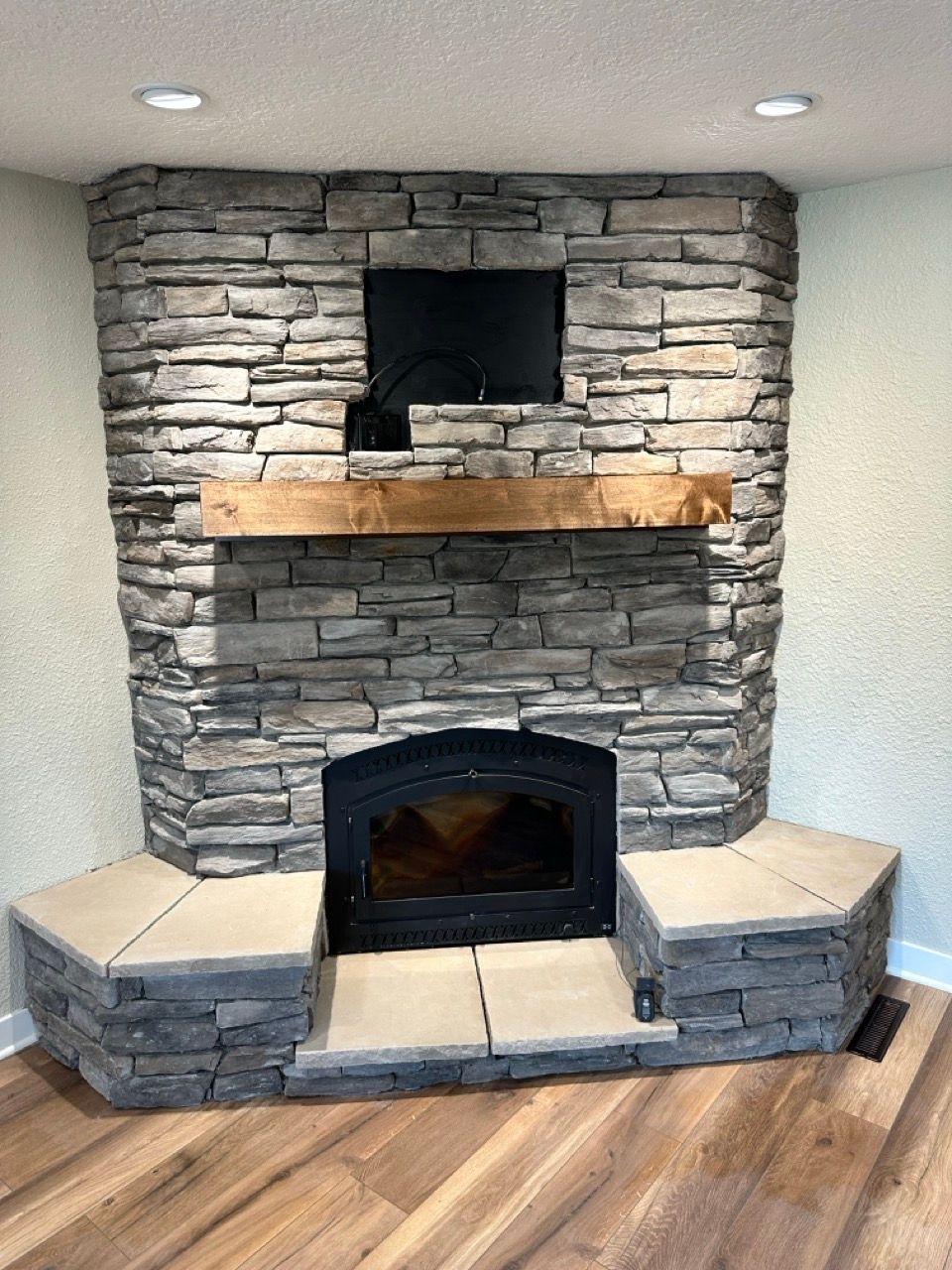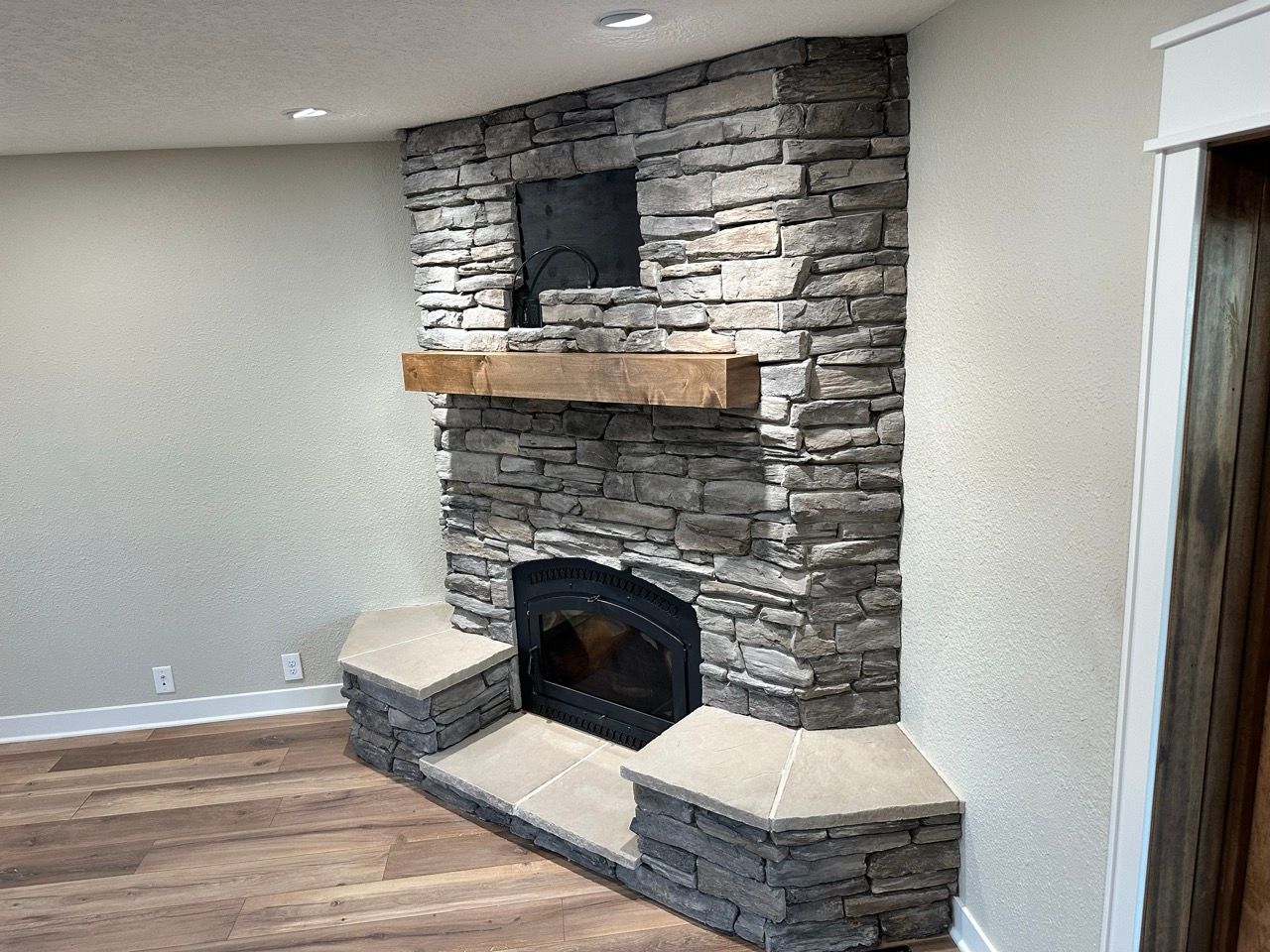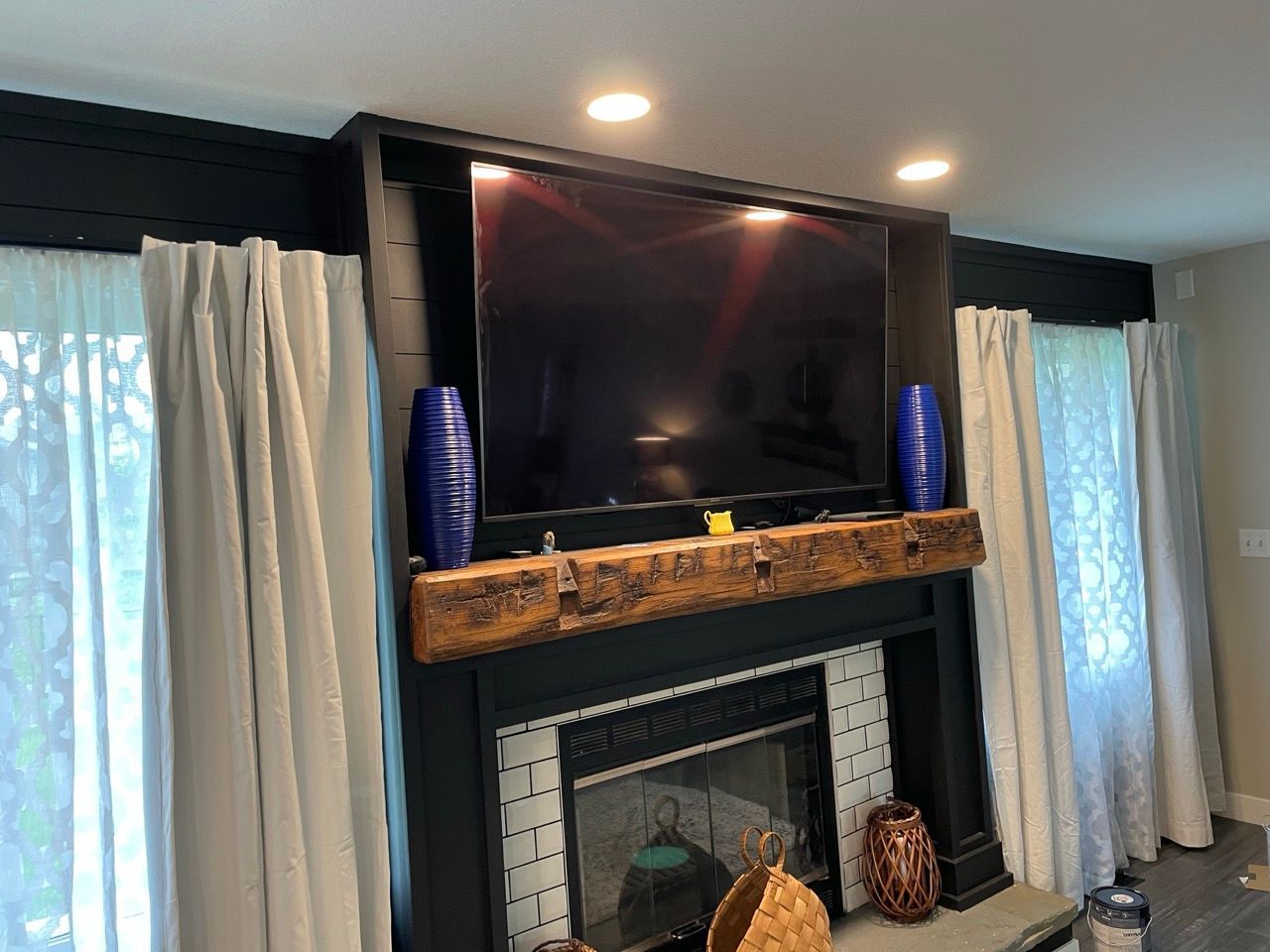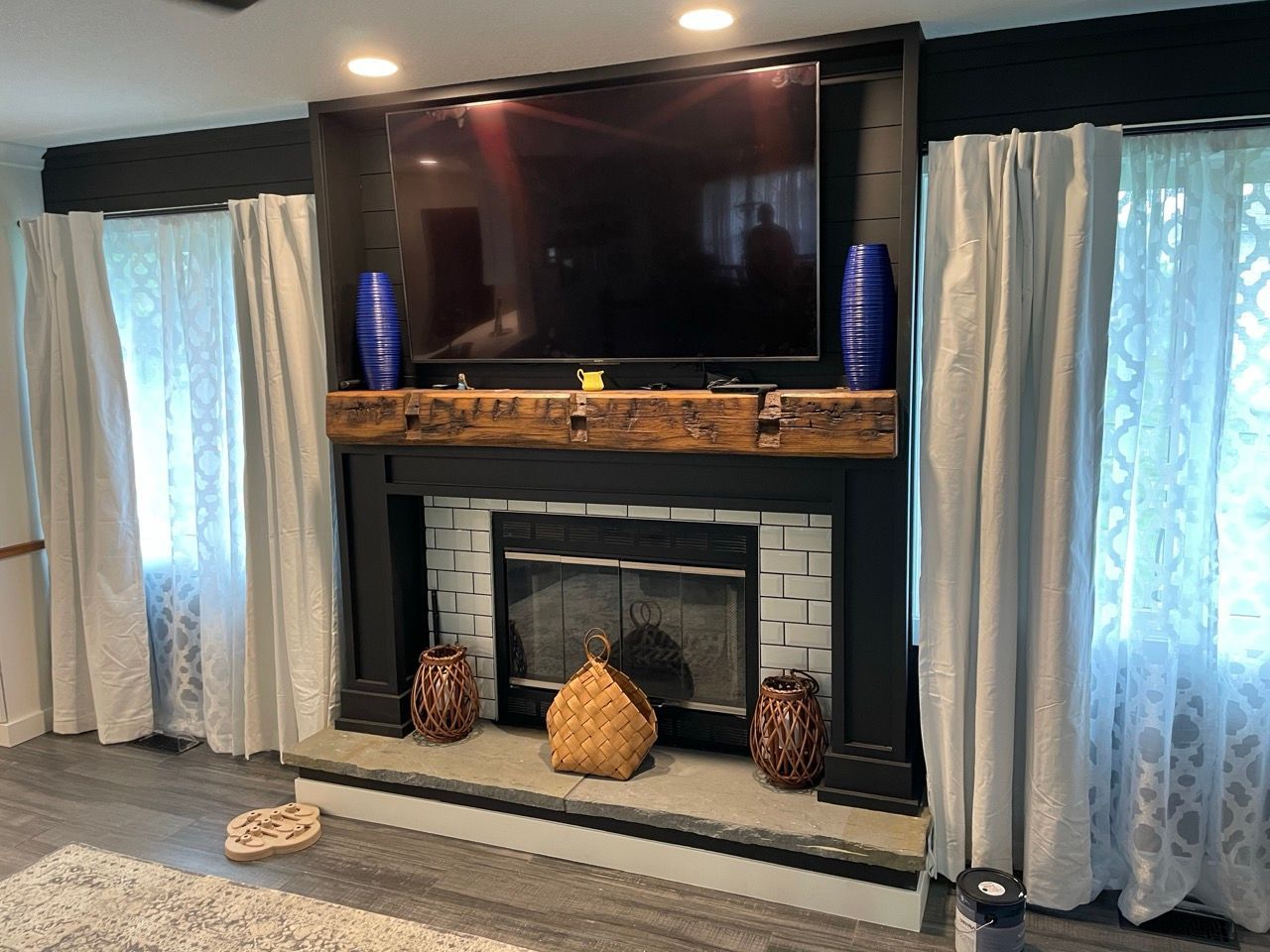
Heat Sources That Extend Outdoor Seasons
Fireplaces in Polk City for yards needing warmth and gathering spaces during cooler evenings
Iowa evenings cool quickly once the sun sets, even during late spring and early fall, which limits how long you can comfortably stay outside. Outdoor fireplaces and fire pits create localized heat that extends usable time in your yard by raising temperatures in a ten- to fifteen-foot radius around the flames. Home Reimagined, LLC installs outdoor fireplaces and fire pits in Polk City for properties where homeowners want functional heat sources that also serve as visual focal points in patios, decks, or landscape areas.
Construction varies depending on whether the unit burns wood or gas, with wood-burning designs requiring fireboxes built from refractory brick or stone that withstand repeated heating and cooling without cracking. Gas fire pits connect to propane tanks or natural gas lines and include burners, lava rock or fire glass media, and controls for flame height. Both types need stable bases—either concrete pads or compacted gravel—and clearance from structures and overhanging branches to meet safety standards.
Schedule a property evaluation to identify placement options and discuss fuel type based on your yard layout.
What You Notice Once the Fireplace Is Finished
A completed outdoor fireplace or fire pit produces steady heat that makes seating areas comfortable even when air temperatures drop into the fifties or lower, and the flame provides light that reduces the need for additional landscape lighting in the immediate area. Wood-burning units create the crackling sound and wood-smoke smell that many people associate with campfires, while gas units ignite instantly and burn cleanly without producing ash or requiring constant attention to keep flames going.
You'll find yourself using outdoor spaces later into fall and earlier in spring because the heat source makes it practical to sit outside when it would otherwise be too cold. Seating naturally arranges around the fire, and the structure becomes a gathering point during cookouts and evening conversations. Gas units require occasional inspection of burner ports and gas lines to ensure even flame distribution and detect leaks, while wood-burning units need ash removal and periodic repointing of masonry joints as mortar weathers.
Fire pits are generally simpler and less expensive than full outdoor fireplaces, offering an open flame at ground level or slightly raised, while fireplaces include vertical chimneys that draw smoke upward and away from seating areas. Placement matters because wind patterns affect smoke direction, and local regulations may restrict open flames in certain areas or during burn bans.
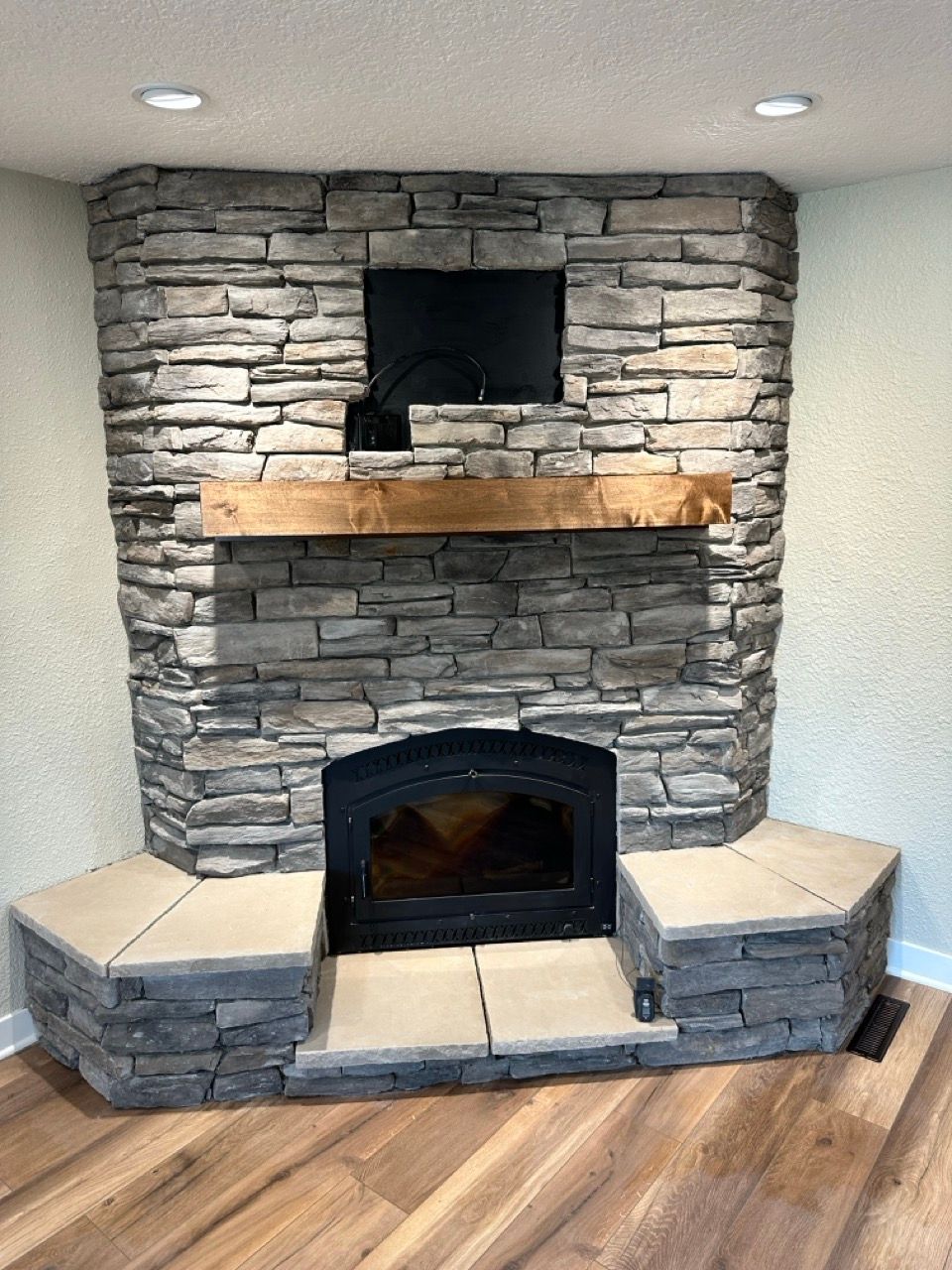
Questions Before Starting Your Project
Homeowners considering outdoor fire features often ask about fuel choices and how the structures hold up over time.
What's the difference between wood-burning and gas fire pits?
Wood-burning units produce more heat and a traditional fire experience but require ongoing fuel supply and ash cleanup, while gas units offer convenience and instant ignition with adjustable flames but depend on propane or natural gas lines and produce less intense heat.
How far should a fire pit be from the house?
Most codes require at least ten feet of clearance from structures, though greater distance is safer and helps prevent smoke from drifting into windows or under eaves, and overhead clearance should account for flame height plus rising heat and sparks.
What materials work best for outdoor fireplaces in Polk City?
Natural stone, brick, and concrete block all withstand freeze-thaw cycles common in Iowa, but the firebox itself needs firebrick or refractory material rated for high temperatures, and mortar joints should use high-heat mortar that won't crack from thermal expansion.
When can I use an outdoor fireplace?
Wood-burning units are usable whenever local burn bans aren't in effect and conditions aren't excessively dry or windy, while gas units can be used year-round in any weather since they produce controlled flames without flying embers.
What maintenance do outdoor fire features need?
Gas units require annual inspection of burners, gas lines, and ignition systems to ensure safe operation, while wood-burning structures need ash removal after each use, periodic chimney cleaning if a flue is present, and repointing of mortar joints as they erode from weather exposure and heat cycling.
Home Reimagined, LLC designs and installs outdoor fireplaces and fire pits for Polk City properties where homeowners want to extend outdoor living seasons. Request a consultation to discuss placement, fuel options, and design features suited to your yard and how you plan to use the space.